Salmon populations are at serious risk
Many Pacific salmon populations and the communities who depend on them are facing decline and crisis, exacerbated by changing climate conditions. Despite widespread concern, there is no unified strategy or shared voice to support a coordinated international response. Without collective action, the sustainability of salmon and fisheries across western North America, from California through Canada to Alaska, is at serious risk.
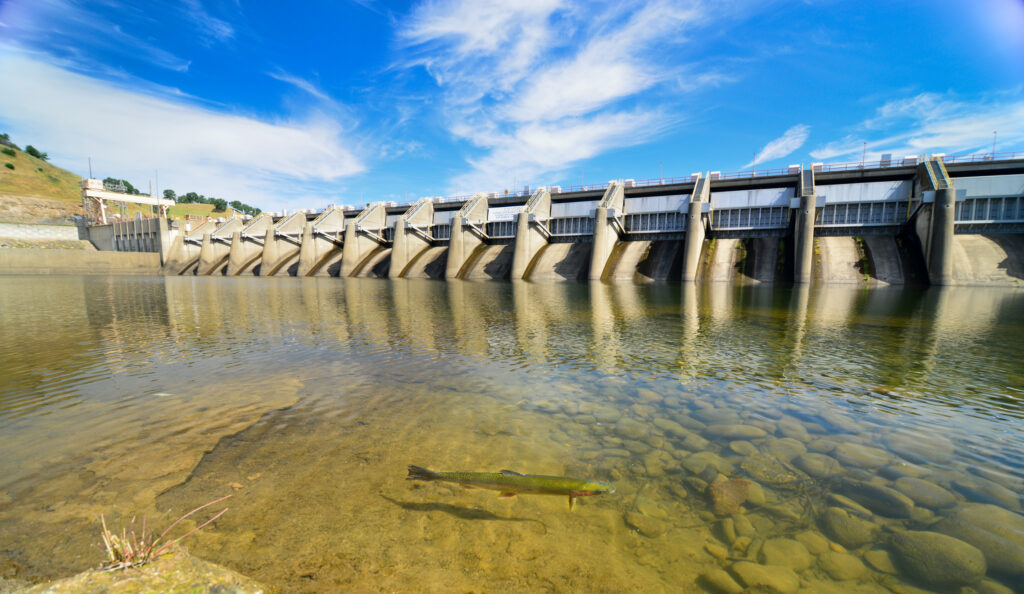
Nimbus Dam, Folsom, California, 2015
Salmon productivity has declined dramatically, from heavily modified systems like the Sacramento River to relatively intact habitats such as the Yukon River. These declines threaten food security, cultural traditions, and local economies. Modern societal pressures often conflict with salmon recovery needs, and current efforts have been insufficient in scale and urgency.
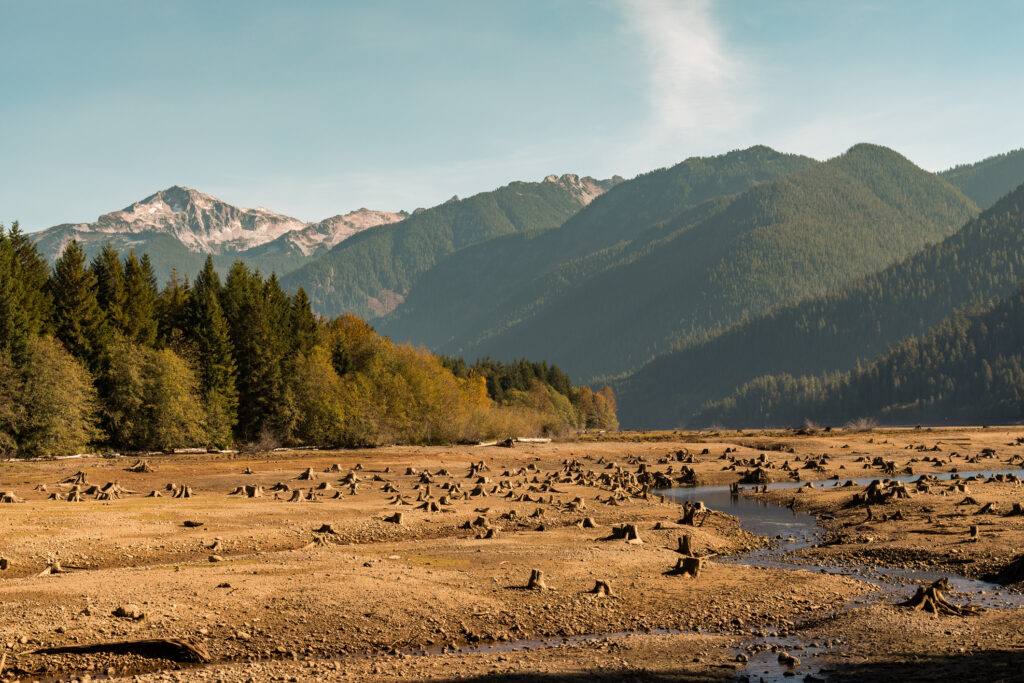
Dry Baker Lake, Washington, USA
Effects of climate change
Climate change affects salmon at every life stage, altering growth, migration, and survival, and intensifying existing environmental stressors. Yet, there is no established platform for cross-border collaboration among salmon advocates.
A Vital Resource
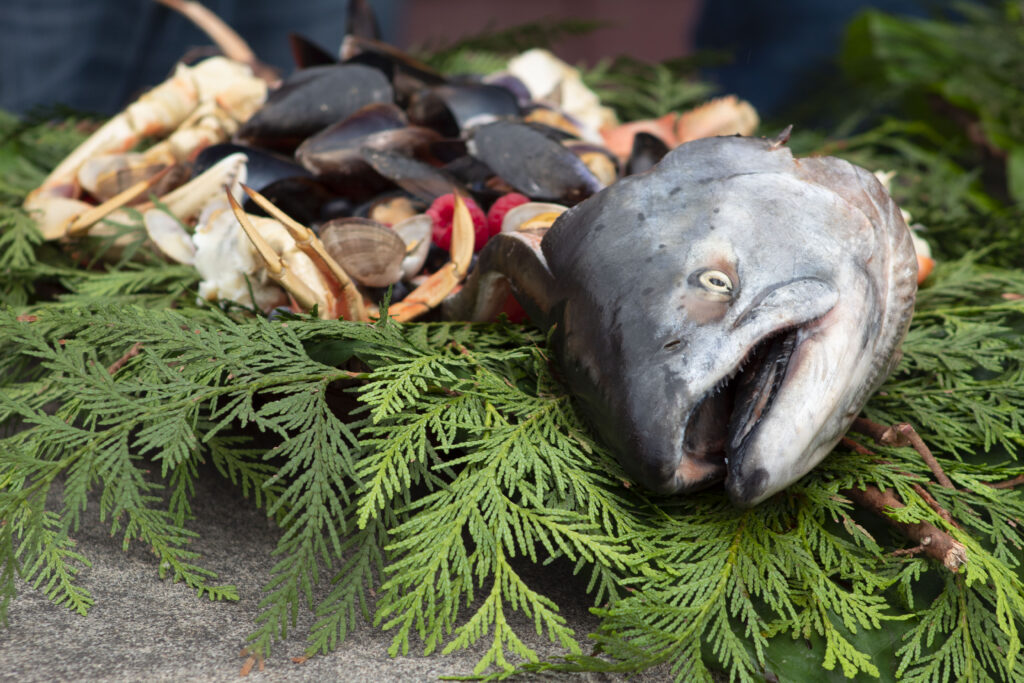
Salmon are vital to subsistence, commercial and recreational fisheries, eco-tourism, and cultural heritage. Indigenous and coastal communities are losing access to salmon, eroding traditions passed down for generations. Governance of salmon recovery spans diverse jurisdictions, laws, and funding mechanisms, but greater coordination, innovation, and investment are urgently needed.
Photo: NWIFC
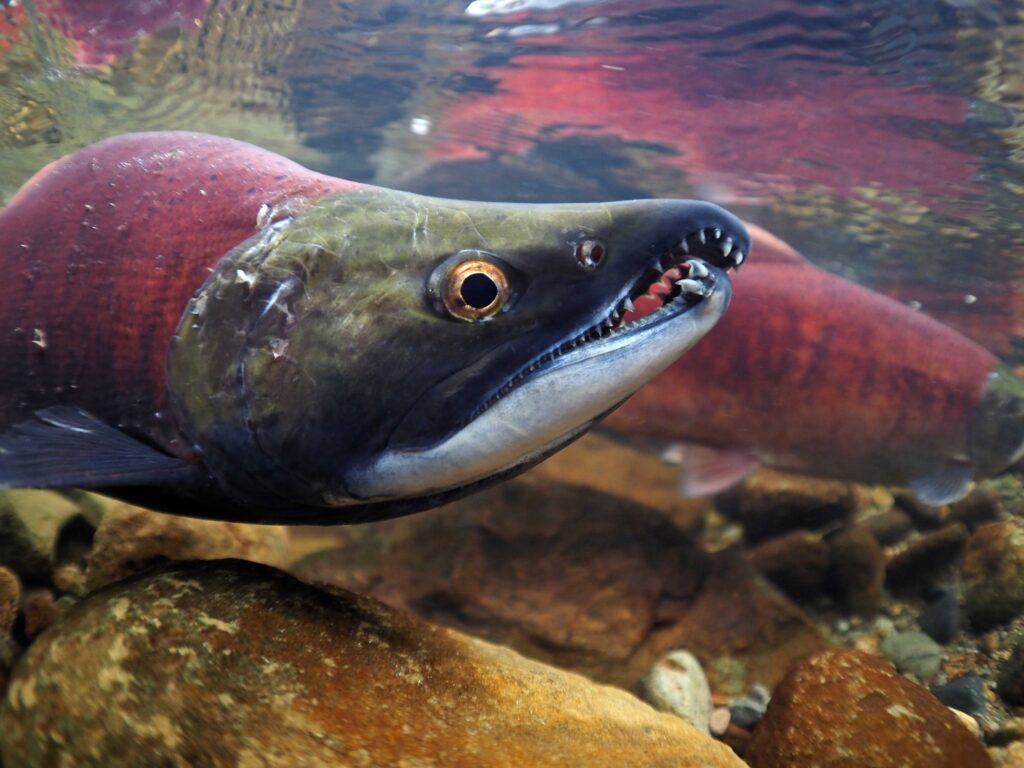
What we can do
While many resilience strategies have been identified, fragmented efforts across the range of Pacific salmon limit learning and impact. Legacy approaches to habitat recovery and water resources are no longer sufficient and investment levels remain far below what is necessary to reverse declines.
We are at a pivotal moment. Strengthening salmon resilience requires bold decisions and unified action. From each of our positions and perspectives we can see pieces of our path forward, but only together can we assemble a more complete view of what lies ahead. This initiative brings together Indigenous and other organizations, knowledge holders, experts, and advocates to chart a shared path forward—one that supports both salmon and the communities that rely on them.